Family Life
5 toys and devices to improve your child's coordination
Coordination develops through practice, and the right toys make that practice feel like play rather than work. Whether your child is waiting for an occupational therapy assessment or simply needs a little extra support, these five ideas are a good place to start.
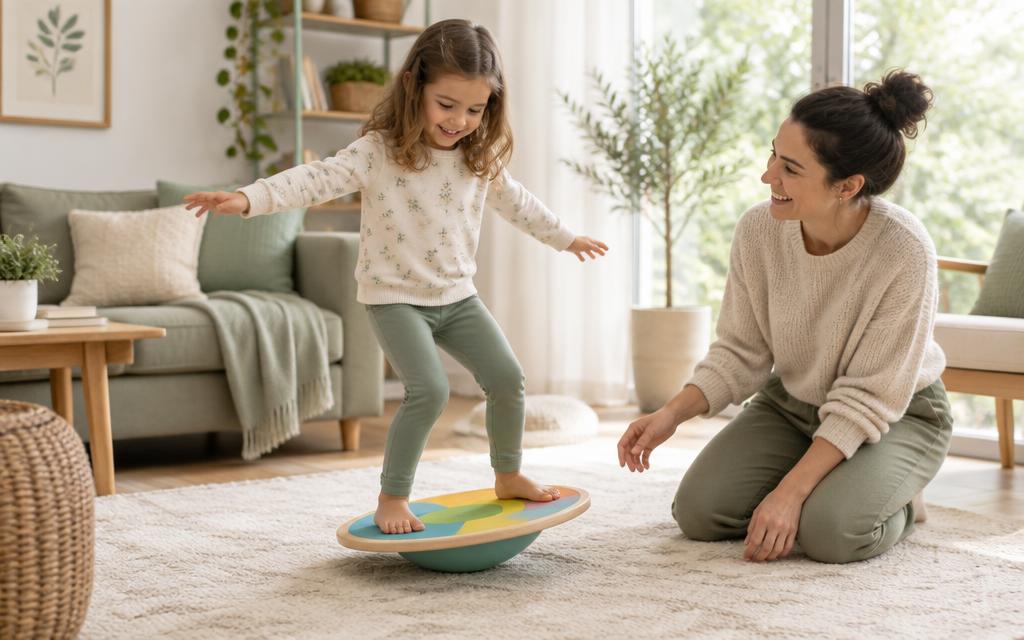
1. [Balance boards and wobble cushions](amazon-search:kids balance board wobble cushion). Standing or sitting on an unstable surface builds core strength and balance. Start with support nearby and short sessions. 2. [Threading and lacing sets](amazon-search:threading lacing beads kids). Threading beads or lacing cards develops the hand control needed for buttons, zips and eventually handwriting. 3. Ball games with a twist. Rolling, throwing and catching a large, slow-moving ball is easier to track than a small fast one. Balloons are brilliant for beginners because they move slowly. 4. [Building blocks and stacking toys](amazon-search:stacking blocks toddler). Stacking, balancing and knocking down towers develops hand-eye coordination and planning. 5. [Play tunnels and soft climbing](amazon-search:kids play tunnel soft play). Crawling through tunnels and climbing over cushions works the whole body and helps children learn where their body is in space.
Keep sessions short and stop before frustration sets in. Celebrate the attempt, not just the result, and let your child repeat the activities they enjoy, because repetition is how skills stick.
If coordination difficulties are affecting daily tasks like dressing, eating or writing, it is worth mentioning to your GP, health visitor or school. Occupational therapists and physiotherapists work on exactly these skills, and our Health tool explains how to access them through the NHS or privately, in plain English.