
Family Life
Catch and throw toys that make practice easier
Written by Make SENse Team
Disclosure: We don't currently earn anything from the links on this page. If that changes, this notice will say so. We only suggest things we think could genuinely help.
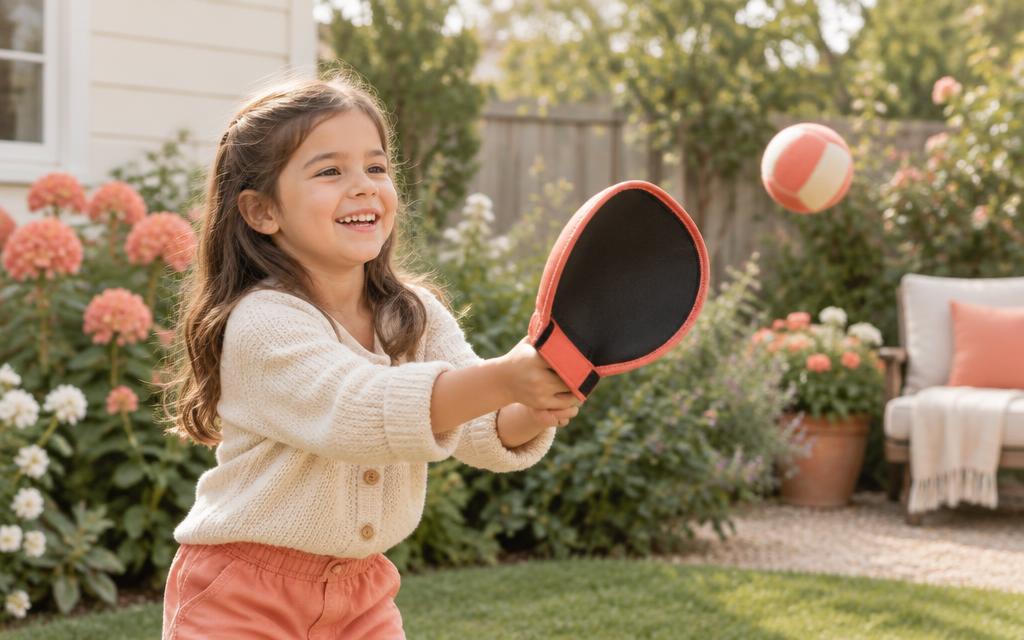
Catching is a lot to ask when something flies at you faster than you can decide where your hands should go. Slow it right down, or let your child be the thrower first. There's no rule that both people have to catch.
The slowest catch game
Float a light scarf towards your child from close up. They can grab it, trap it against their body or just watch it land. If they want another go, try a little more distance. A balloon also falls slowly, but broken pieces are a choking hazard, and the popping sound can be upsetting. A scarf avoids both issues.
A large soft ball is the next step if your child wants one. Start close enough to almost hand it over. Rolling it between you is still a ball game. If early misses are frustrating, a Velcro catch set can be fun, though some children dislike the sticky feel or sound. It won't automatically teach an ordinary catch; try both when your child is ready.
Keep it on their terms
Don't throw a ball unexpectedly to “test” their reactions. Ask where they'd like you to stand, and stop while the game is still enjoyable. Berkshire Healthcare's ball-skills advice suggests starting large, soft, slow and close. If movement difficulties affect everyday life, school, your GP or an occupational therapist can help.
If your child would rather aim than catch, try a wide target instead.
Product links open Amazon UK or the provider's own website so you can compare options, prices and reviews. We don't sell these items. Always check age guidance and, if your child sees a therapist, ask what suits them.