Family Life
5 toys and devices to help your child's speech
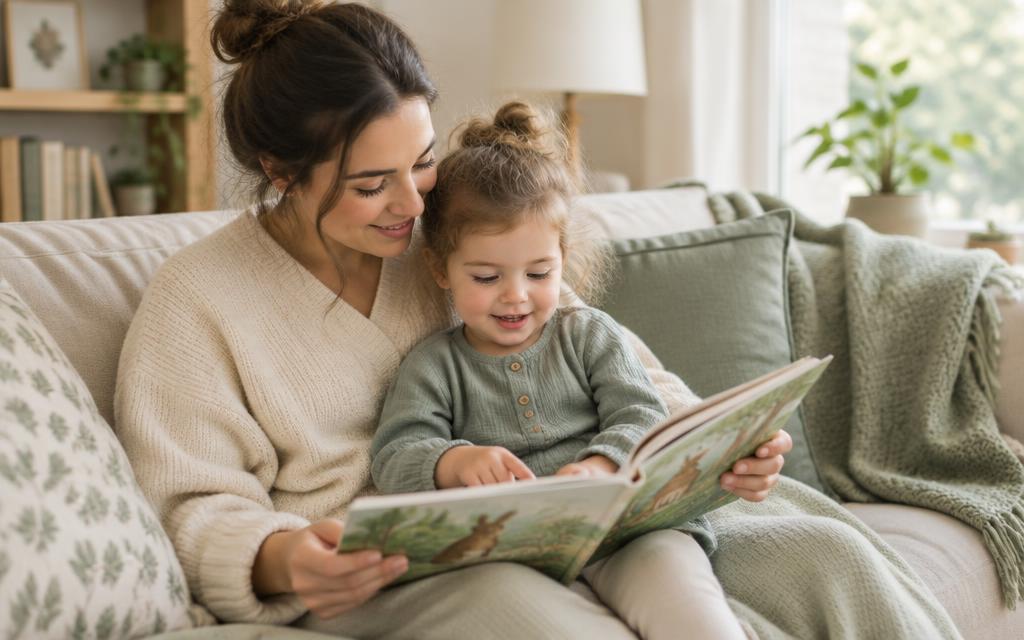
If your child is working on their speech, the right toys can turn practice into play. Speech and language therapists often use simple, motivating activities at home between sessions, and you do not need specialist equipment to join in. Here are five ideas families find helpful.
1. [Picture books with repetition](amazon-search:repetitive picture books toddlers). Books with repeated phrases invite your child to join in and predict what comes next. Pause before the repeated line and let them fill the gap. 2. [Puppets](amazon-search:hand puppets for kids). Talking through a puppet takes the pressure off. Many children who stay quiet in conversation will happily chat to a puppet. 3. [Cause-and-effect toys](amazon-search:cause and effect toys toddler). Toys that light up or make sounds when pressed encourage early communication, because your child learns that doing something gets a response. 4. [Bubbles](amazon-search:bubble machine kids). Blowing bubbles builds the mouth muscles used for speech, and popping them is a natural chance to practise sounds like "p" and "b". 5. [Simple musical instruments](amazon-search:kids musical instruments set). Shakers, drums and bells encourage listening, turn-taking and copying rhythms, all of which underpin conversation skills.
A few things worth remembering. Follow your child's lead rather than directing the play, and model words rather than demanding them. Short, regular play sessions beat occasional long ones. And if you are waiting for a speech and language assessment, activities like these are a positive way to use that time, not a substitute for professional support.
Every child develops at their own pace, and play should stay fun. If you are unsure where your child's speech sits compared with typical milestones, our Health tool can help you think through the support available and what to ask about next.