Family Life
Therapy putty vs kinetic sand: best resistance tools for hand coordination
If an occupational therapist has mentioned hand strengthening, you will probably have come across therapy putty and kinetic sand. Both are popular, but they do different jobs, so here is an honest comparison to help you choose.
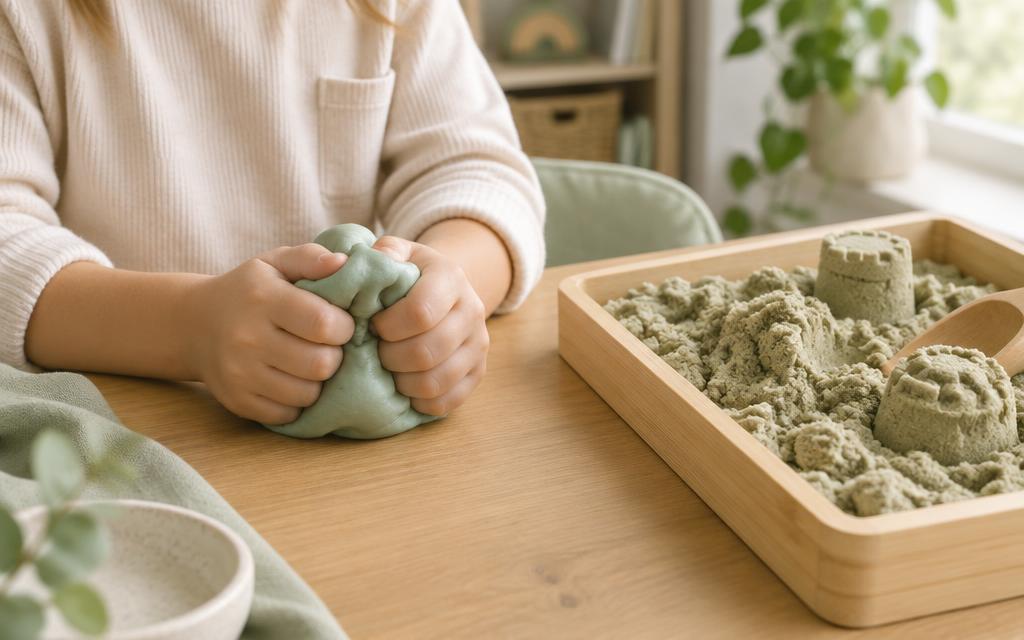
[Therapy putty](amazon-search:therapy putty resistance set) is the firmer option. It comes in different resistance levels, usually colour-coded from extra soft to firm. Children squeeze, stretch, pinch and twist it, which directly strengthens the small muscles of the hand. Therapists often hide small beads or coins inside for children to find, which turns exercise into a treasure hunt. It is the better choice when the goal is building strength, for example if your child tires quickly when writing or struggles to open containers.
[Kinetic sand](amazon-search:kinetic sand) is softer and more sensory. It holds shapes when squeezed but crumbles satisfyingly, and most children find it calming as well as engaging. It builds some hand strength, but its real value is in sensory play, creativity and keeping hands busy during quiet time. Children who dislike the feel of putty often prefer it.
Which should you choose? If a professional has recommended hand strengthening exercises, therapy putty is the tool they usually mean, and you can buy the specific resistance level they suggest. If your main goal is a calming, open-ended activity that also works the hands gently, kinetic sand is a lovely option. Many families end up with both, using putty for short exercise sessions and sand for relaxed play.
Whichever you pick, supervise young children closely and check the recommended age on the packaging.