Family Life
Sensory integration and balance devices: which equipment does your child need?
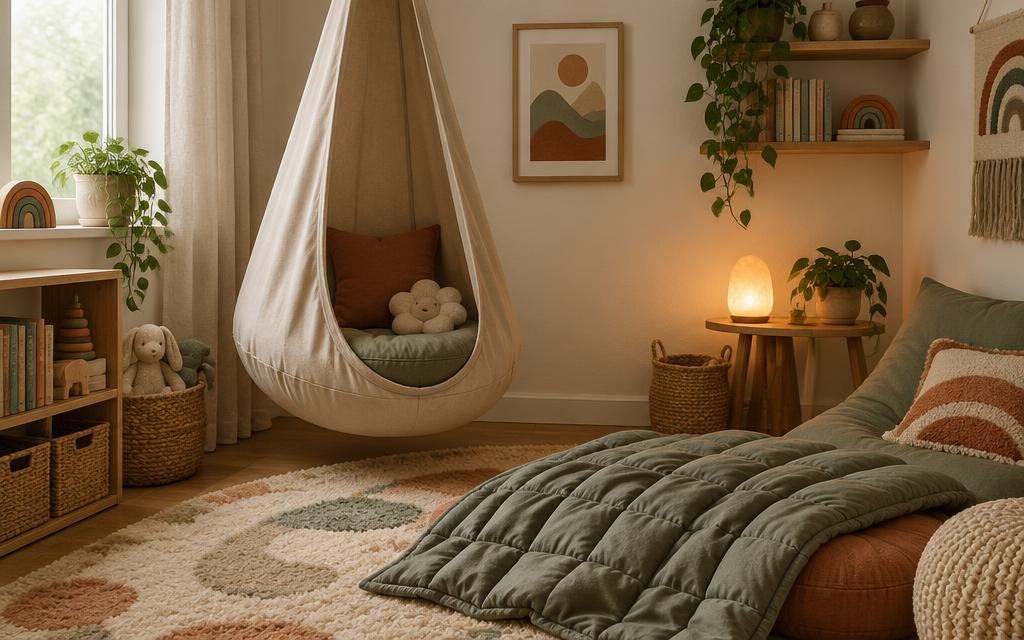
Walk into any sensory equipment shop and the choice is overwhelming. Swings, wedges, boards, pods, weighted everything. The honest answer to "which equipment does my child need?" is that it depends on what your child is seeking or avoiding, and a little observation goes a long way before you spend anything.
Start by noticing patterns. Does your child seek movement, constantly spinning, swinging or crashing into things? Movement-seeking children often benefit from [swings, rocker boards and trampettes](amazon-search:sensory swing kids), which give that input safely. Does your child avoid movement, getting distressed on swings or slides? Gentle, child-controlled equipment like a slow rocker or a [therapy ball](amazon-search:therapy ball kids) they can use at their own pace suits better.
For balance specifically, [wobble cushions, balance boards and low beams](amazon-search:kids wobble cushion balance board) build skills gradually. For calming, [weighted lap pads and blankets](amazon-search:weighted lap pad children) provide deep pressure that many children find organising. For children who need to fidget to focus, [small hand-held items](amazon-search:fidget toys sensory) often work better than large equipment.
A few practical tips. Buy one thing at a time and watch how your child uses it before buying more. Child-controlled equipment, where your child decides the speed and intensity, is usually the safest choice. And bigger is not better: some of the most effective sensory tools cost very little.
If your child is seeing an occupational therapist, ask them before investing in larger items like swings. They can tell you exactly what kind of input your child needs and often lend or recommend specific equipment. Our Health tool explains how to access an OT assessment if you are not there yet.