
Family Life
SEN-friendly days out: what to check before you go
Written by Make SENse Team
Disclosure: We don't currently earn anything from the links on this page. If that changes, this notice will say so. We only suggest things we think could genuinely help.
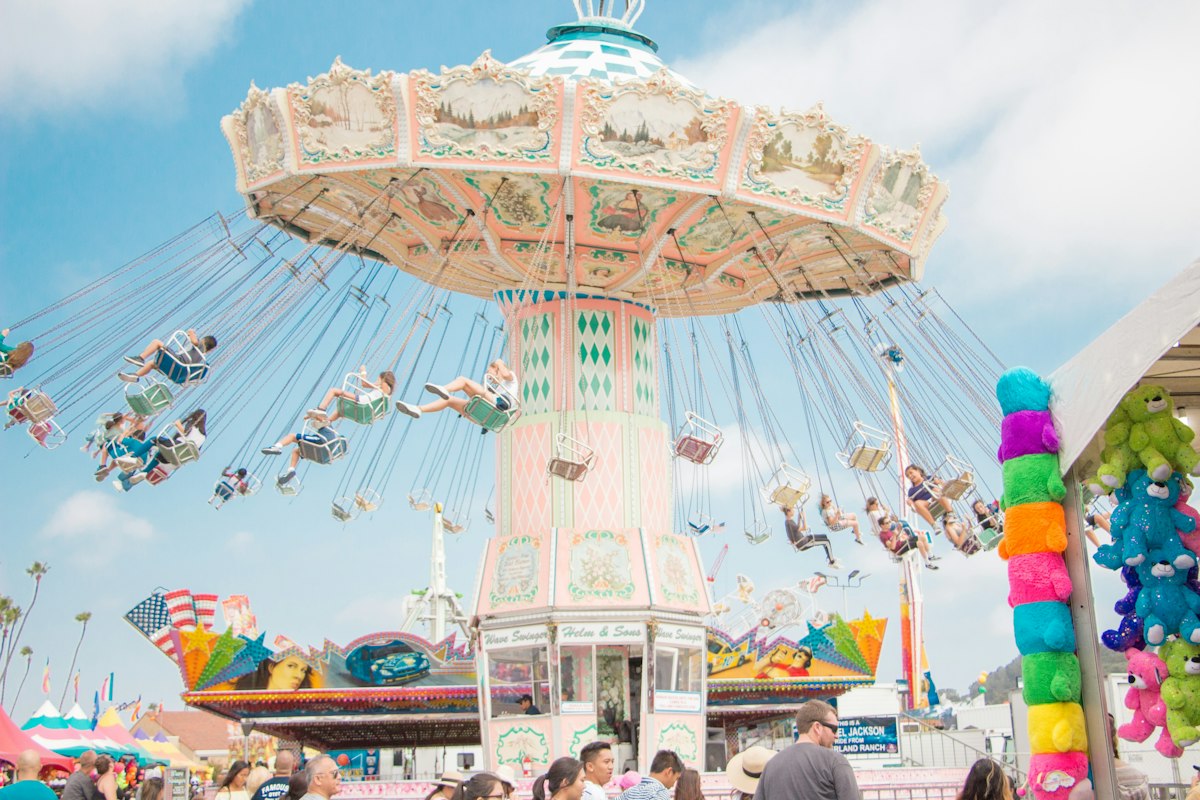
A good day out doesn't have to be a big day out. If your child is happiest watching fish for twenty minutes or running around an open field, that counts. The useful question is less “Is it SEN-friendly?” and more “Can we do this our way, and leave easily if we need to?”
Start close to home
A local park, woodland path or open green space gives children room to move without a queue or a timetable. Try a quieter time if crowds are hard, and check toilets and parking first. Even a familiar park feels different with a picnic or a little “find three things” game. A shorter visit can be much nicer than staying until everyone is tired.
Libraries can be lovely for a brief visit too, though a quiet library isn't necessarily a good fit for a child who needs to move or make noise. Check whether yours has a children's session or a more relaxed time. There is no need to turn the outing into an educational exercise.
For a bigger trip
Museums: Look up a museum near you and check its own website for opening times, quieter hours, accessibility information and whether you can leave and come back. Some major museums have free entry and visual stories, but busy central galleries can be a lot. Pick one thing your child wants to see, not the whole building. A small local museum might actually be easier.
Aquariums: Fish can hold a child's attention beautifully, but dark rooms, echoes, crowds and timed tickets don't suit everyone. Ask about the quietest time, lighting, toilets and whether there's somewhere to take a break. If tickets are expensive, photos or videos of the exhibits can help you decide whether it's worth trying.
Outdoor places: A nearby nature reserve, farm park or National Trust place can offer space to roam. Check the actual property's paths, toilets, car park and access information, not just the organisation's main page. Farm parks can be noisy and smell strongly, so check what the visit involves before paying.
Cinema: If your child enjoys films but not the usual cinema setup, Dimensions lists autism-friendly screenings. Check the particular screening's sound, lighting and movement arrangements before booking.
If you're not sure, give them a ring
Access pages are often written for people who already know what to look for, so a two minute call can be quicker than reading. Ask what quiet or low-sensory space there is, whether the toilets and changing facilities would work for your child, whether you can leave and come back, and whether you can bring your own snacks or sensory kit. If the first person you speak to can't help, ask for the access or visitor team. If you can't get a straight answer, book somewhere else for now and try this one again when it suits you.
The question worth asking before you go
“Where could we step out for ten minutes, and could we get back in?” Also ask about queues, food and refunds if leaving early is a possibility. Bring what you already know helps your child. A familiar snack and a simple exit plan may do more than a bag full of new kit.
You don't owe anyone a full day. One good gallery, a look at the fish or half an hour outside can be the whole outing. For children who find noise or uncertainty difficult, the National Autistic Society's sensory guidance is useful background; it doesn't mean every child needs the same kind of trip.
Product links open Amazon UK or the provider's own website so you can compare options, prices and reviews. We don't sell these items. Always check age guidance and, if your child sees a therapist, ask what suits them.