Family Life
Best bilateral coordination toys to help your child master daily physical tasks
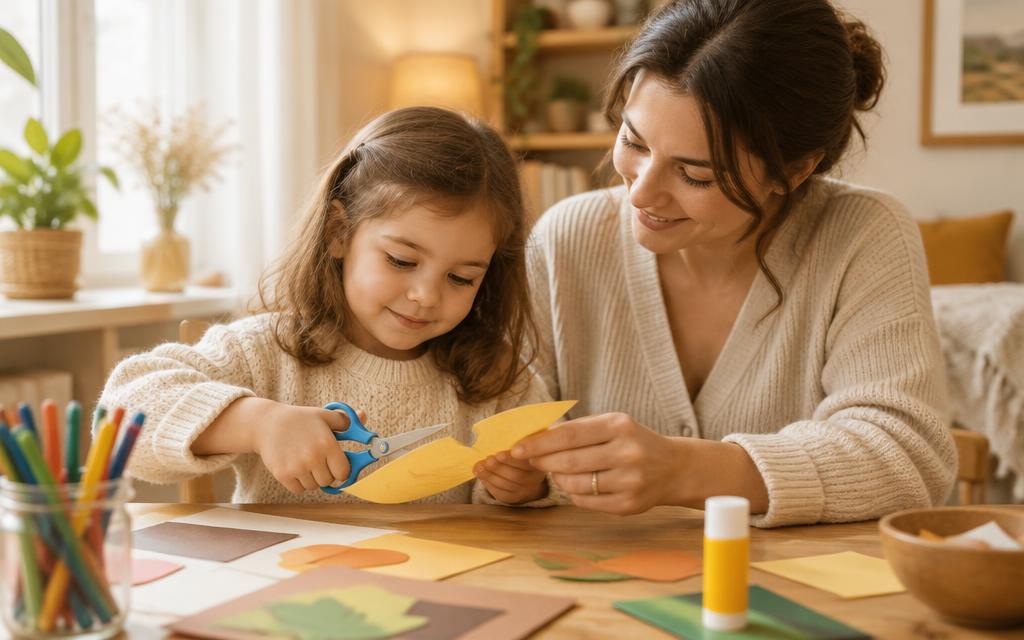
Bilateral coordination means using both sides of the body together in a controlled way. It sounds technical, but you see it in everyday tasks: holding paper steady while cutting, pulling a zip up, or climbing stairs. Children who find this tricky often avoid these tasks, so building the skill through play really helps. Here are the toys that work well.
[Threading and lacing sets](amazon-search:threading lacing beads kids). One hand holds, the other threads. Lacing cards and large beads are a gentle starting point.
[Scissors and craft activities](amazon-search:child safe scissors craft set). Cutting requires one hand to cut and the other to turn and hold the paper. Start with snipping strips, then straight lines, then shapes.
[Construction toys](amazon-search:construction bricks kids). Building sets need one hand to stabilise and the other to connect pieces. Larger pieces suit beginners.
[Musical instruments](amazon-search:kids xylophone drum set). Drums, shakers and xylophones encourage both hands to work together, sometimes in rhythm, sometimes taking turns.
Ball rolling and catching. Rolling a ball with two hands, then catching with two hands, builds symmetrical control.
[Playdough with tools](amazon-search:playdough tools set kids). Rolling with a rolling pin, cutting with cutters and squeezing with garlic presses all need two hands working together.
Climbing and crawling games. Tunnels, soft climbing and animal walks (bear walks, crab walks) coordinate arms and legs together.
If your child consistently avoids two-handed tasks, uses one hand for everything past the toddler years, or finds dressing and cutlery unusually hard, it is worth raising with your GP or health visitor. An occupational therapist can assess coordination properly, and our Health tool explains how to access that support.